
Family-owned · Minneapolis Local St. Paul Call or text (612) 558-9880
Krepela Painting

Family-owned · Minneapolis Local

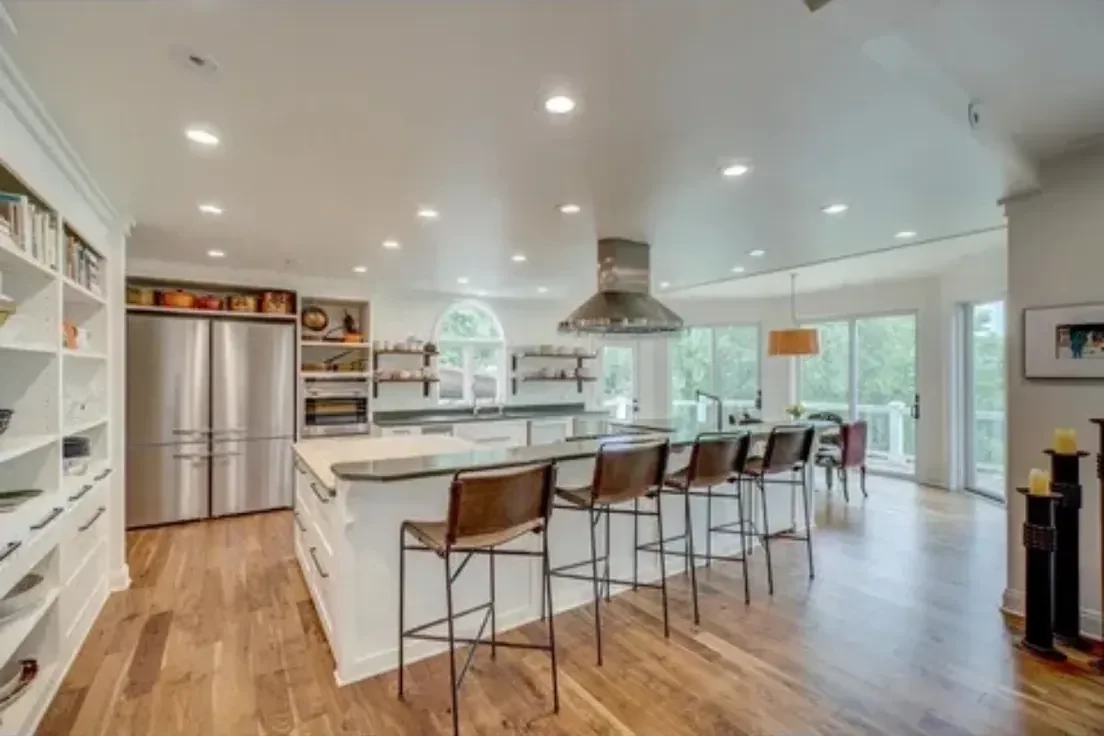
Kitchen Cabinet Painting That Spares You a Full Replacement

Degreased, scuff-sanded, and sprayed for a factory-grade finish, not brushed and rolled.
Kitchen Cabinet Painting That Spares You a Full Replacement

Free estimate

Tell us what you need

Three fields. It reaches a person here, not a call centre.

No obligation · Responds within 1 business day


By submitting this form you agree that we may contact you about your request and share your details with partner companies for marketing purposes.

Updated October 2026

Why cabinet painting is the smarter kitchen move

Krepela Painting refinishes kitchen cabinets across the Twin Cities for a fraction of what a full replacement costs, and the finish holds because of how it goes on: every door and box gets degreased and scuff-sanded first, then sprayed, never brush-and-rolled. If your cabinet boxes are still solid, ripping them out just to change the look is setting money on fire, and that is exactly the job cabinet painting solves. Kitchen cabinets carry years of cooking oil, and paint rejects a greasy surface no matter how good the product is. Colin Krepela does the work himself, so the finish reads the same from the first door to the last. Request a free estimate from Krepela Painting and we'll tell you honestly whether your boxes are worth refinishing.

What drives the scope on a cabinet job is the number of doors and drawer fronts, the material you're starting with, and how much grease and wear the surfaces carry. Twin Cities kitchens run heavy on oak, maple, and birch from the 1980s and 1990s, and that grain telegraphs through a thin finish if it isn't sealed and filled first. The sheen you choose matters too. Higher sheens show every imperfection, so the prep has to match the finish you're after. Every kitchen is different, contact Krepela Painting for an accurate estimate.

Why Prep Decides It

Cabinet paint fails at the surface, not in the can

The grease you can't see is why so many cabinet jobs peel.
Here's the part most homeowners don't hear until the paint is already peeling: cabinet paint fails at the surface, not the can. The doors right next to the range and above the dishwasher collect a film of airborne cooking oil that you can't see and a wet rag won't fully touch. Paint over that film and it releases in sheets within a year, usually right where your hands land. Colin degreases every surface with a dedicated cleaner, scuff-sands to break the old sheen so the new coat has something to bite into, then spot-primes bare or stained spots before anything gets sprayed. It's the same surface preparation logic that governs every job he takes, applied to the hardest surface in the house to make paint stick to. This is also the honest limit of the service, and it's worth saying before you spend a dime. Cabinet painting is a finish upgrade, not a structural one. If your boxes are water-swollen under the sink, the doors are delaminating particleboard, or the frames are racked out of square, paint buys you nothing but a better-looking problem. In that case refacing or replacement is the right call, and Colin will tell you that at the estimate rather than after.
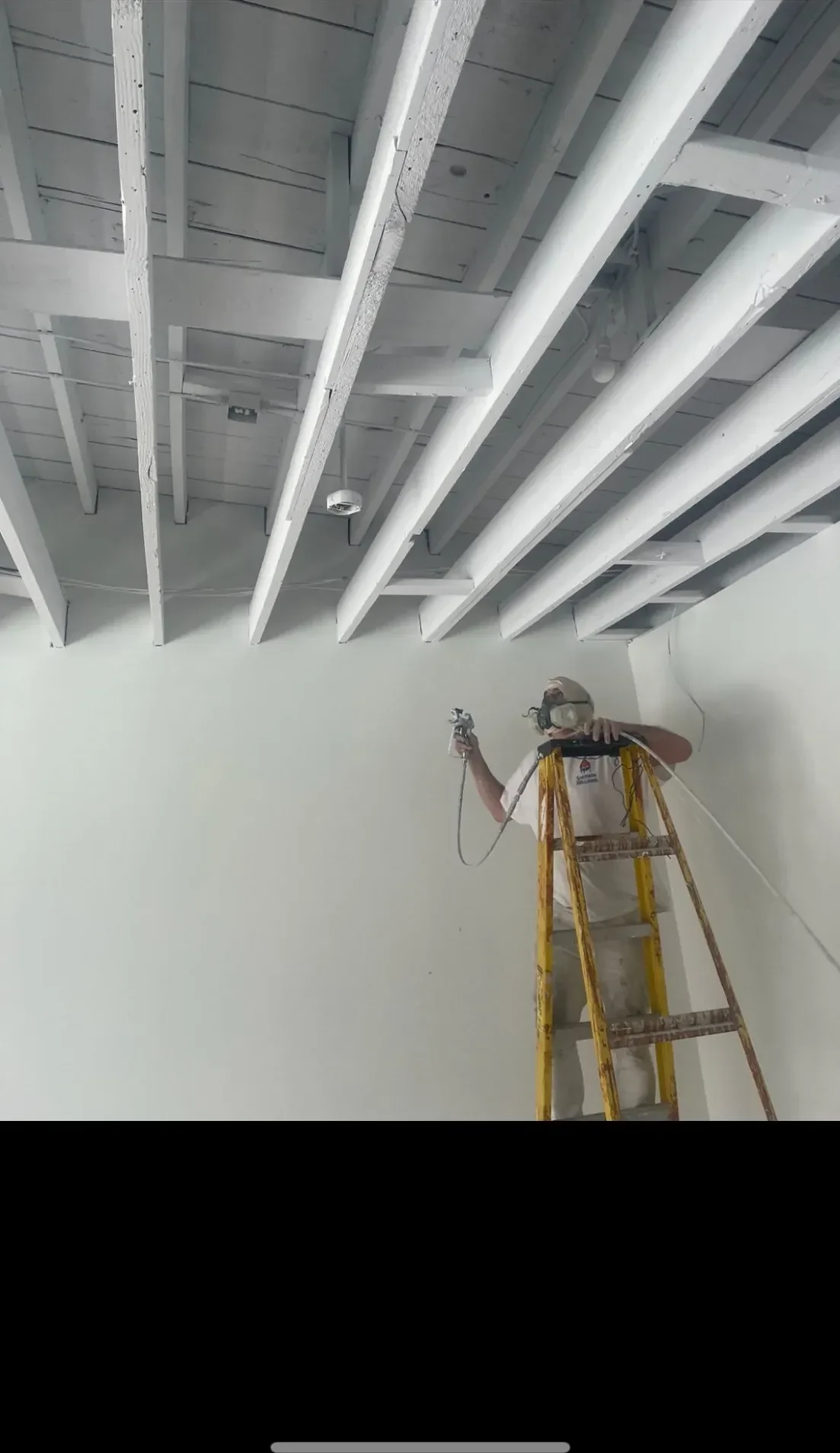
Colin Krepela spraying a factory-grade finish while refinishing surfaces from a ladder

Kitchen Cabinet Painting

Kitchen cabinet painting, done the way it holds up

Kitchen cabinet painting is the core of this service, and it's the one most people are searching for. The approach is the same whether you're taking honey oak to a warm white or dark-staining maple to a deep navy: degrease, scuff-sand, fill grain where the finish demands it, spray in thin even coats, and let each coat cure before the next one goes on. Boxes get sprayed in place with the kitchen masked off. Doors and drawer fronts come off, get labeled, and get sprayed flat on racks so there are no drips and no brush texture on the surfaces your hands touch every day. The reason Colin sprays instead of brushing comes down to one thing you'll feel every time you open a door: brush-and-roll leaves stipple and lap marks that read as a repaint, while a sprayed coat lays down smooth like the finish a cabinet shipped with. On a flat wall you can get away with a roller. On a cabinet door at arm's length in kitchen light, you can't.
"Spraying is the whole reason a painted cabinet can look factory-finished instead of repainted. You can brush a wall. You can't brush a cabinet door and hope nobody opens it."
If you're folding cabinets into a larger kitchen refresh, it often makes sense to coordinate them with your interior painting so the wall color, trim, and cabinet tone are chosen to work together instead of fighting each other.
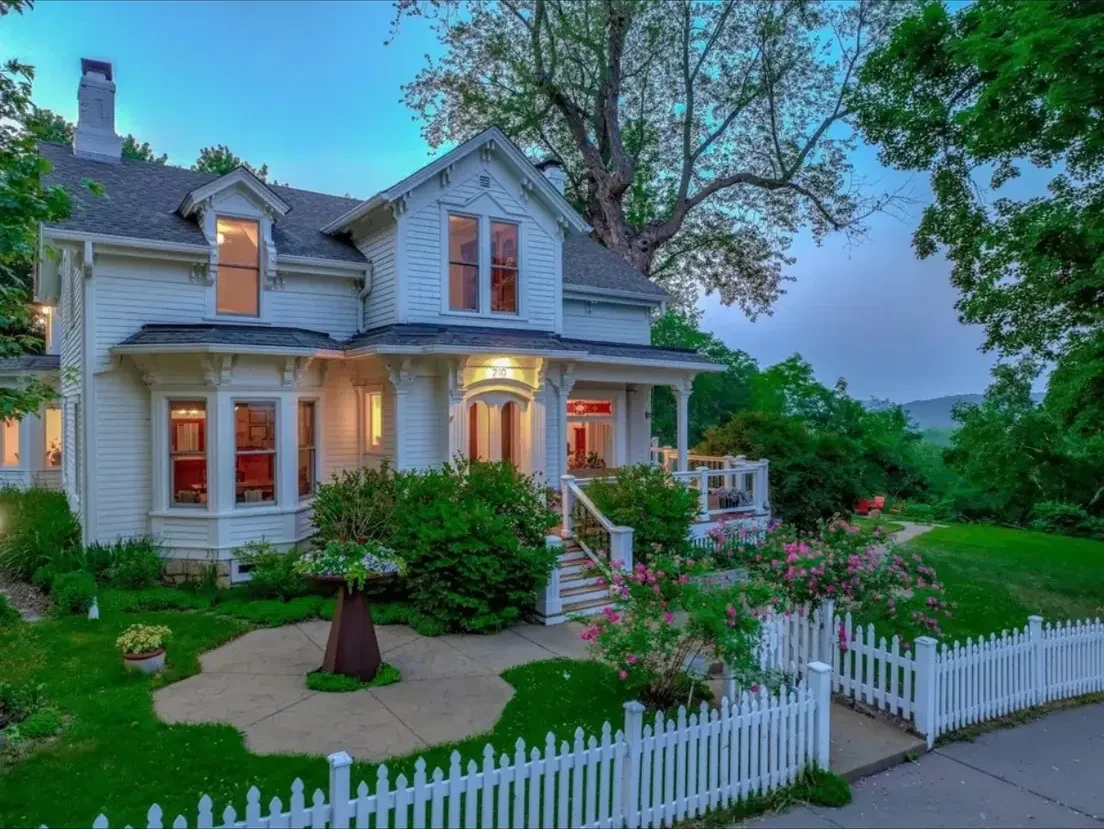
Finished interior showing crisp painted doors and trim in a Twin Cities home

The Process

How a cabinet refinishing job actually runs

  1. 01

    Remove and Label

    Doors and drawer fronts come off and get labeled so every piece goes back exactly where it started. Hinges and pulls are removed, not masked around, because a sprayed edge under a hinge is what separates a real job from a rushed one.

  2. 02

    Degrease, Sand, Prime

    Every surface gets degreased, then scuff-sanded to kill the old sheen. Dents and gouges get filled, open grain gets addressed where the finish calls for it, and bare or stained spots get spot-primed. This is where a cabinet job is won.

  3. 03

    Spray and Reassemble

    Boxes sprayed in place, doors and fronts sprayed flat on racks. Thin even coats, each one given real cure time before the next. Then everything is reassembled and the hardware goes back on.

What cabinet painting covers

01

Kitchen Cabinet Painting

The sprayed factory-grade look most homeowners actually want. We take tired oak, maple, or birch down to a clean, uniform color and a smooth coat that reads like new cabinetry, not a repaint.

02

Cabinet Refinishing

Cabinet refinishing is the same job under a name people search when they want the color and finish changed without new boxes. Degrease, scuff-sand, prime where needed, spray. The boxes stay. The look changes completely.

03

Bathroom Cabinet Painting

Vanities take moisture and toothpaste and hand contact in a smaller, tighter space. Bathroom cabinet painting follows the same prep-first process, with attention to the sink splash zone where finishes fail first.

04

Built-Ins and Vanities

Built-ins, bookcases, laundry cabinets, and mudroom lockers get the same sprayed finish. If it's millwork with doors and a surface people touch, the brush-and-roll shortcut shows just as fast as it does in the kitchen.

05

Color and Sheen Guidance

Choosing a cabinet color is harder than choosing a wall color because the finish is permanent-feeling and the surface is everywhere in the room. Colin can walk through tone and sheen with you as part of paint color consultation.

Best Paint and Finish

The best paint for kitchen cabinets, and why sheen is a durability choice
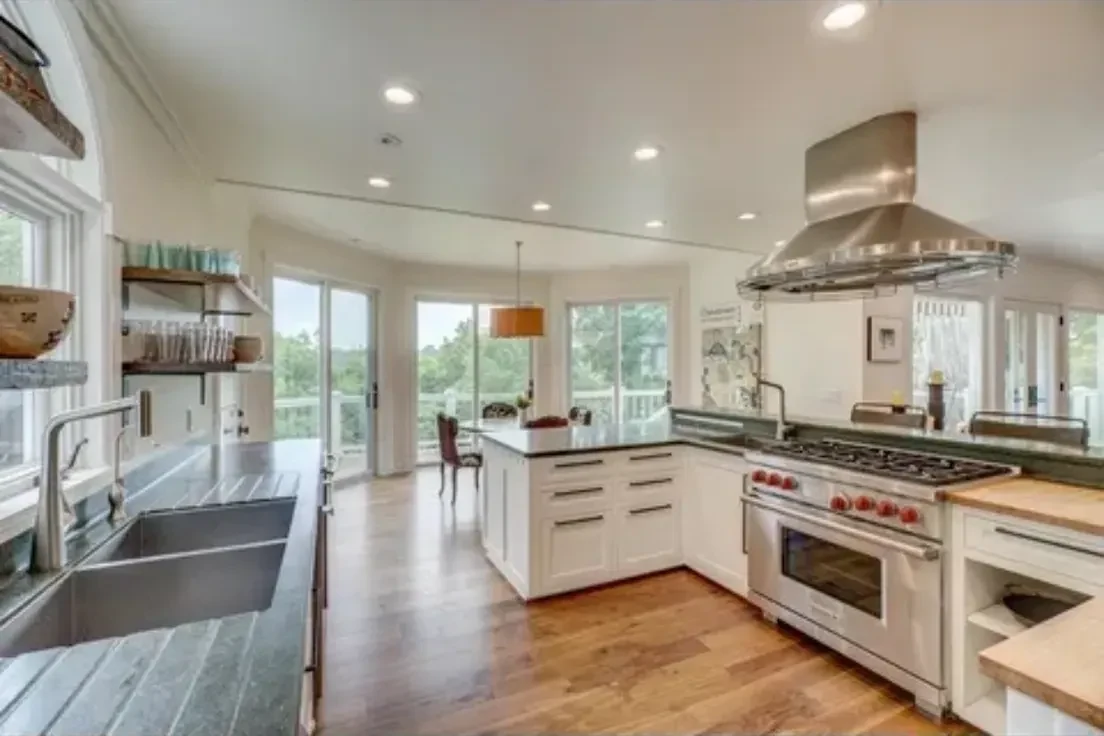
Finished Twin Cities interior with a smooth, evenly painted surface and crisp trim
A hard, self-leveling enamel is what makes a painted surface read as factory-finished
There's no single best paint for kitchen cabinets, but there is a right category. Cabinets need a hard, self-leveling finish built for high-contact surfaces: a waterborne alkyd or a urethane-modified enamel that cures to a tight, washable film. Standard wall paint stays slightly soft and fingerprints at the pulls within a season. The sheen you land on is a durability decision as much as a style one. Satin and semi-gloss clean up and wear better than a flat, which is why most cabinet work finishes in that range. Flatter sheens hide grain and surface variation; higher sheens look crisp but show every missed sanding scratch, so the prep has to earn the sheen you pick. Cure time is the step people rush and regret. A sprayed cabinet coat is dry to the touch in hours but keeps hardening for days, and it reaches full cure over a few weeks. That matters here more than almost anywhere else in the house, because Twin Cities kitchens run dry in winter when the furnace is going, which slows cure, and humid in a July heat wave, which does the same. Stack dishes on a shelf or slam a door against a frame before the enamel has hardened and you'll leave a mark that doesn't buff out. We stage the work so you can use the kitchen, and we tell you which surfaces to baby and for how long.

Start here

Not sure if your cabinets are worth refinishing?

Tell us how many doors and drawer fronts you've got and what you're starting with. Colin will take a look and give you a straight read on whether refinishing is the right move for your kitchen. Prefer to talk it through? Call (612) 558-9880.

(612) 558-9880

Or send it in writing

Three fields, thirty seconds

No obligation · Responds within 1 business day


By submitting this form you agree that we may contact you about your request and share your details with partner companies for marketing purposes.

What sets Krepela Painting apart on cabinet work

  1. 01

    Colin does the spraying

    Colin sprays every door himself, which is the only way the finish stays identical from the cabinet by the fridge to the one by the window.

  2. 02

    Prep is not negotiable

    Degreasing and scuff-sanding aren't line items to trim when a quote gets tight. They're the reason the finish holds on the greasiest surface in the house. We don't skip them to come in lower.

  3. 03

    The kitchen is protected, then handed back clean

    Spraying means masking, and masking a kitchen is real work. Counters, backsplash, appliances, and floors get protected before a drop of finish moves. The only thing that changes is the cabinets.

Cabinet painting questions we actually get asked

Is cabinet refinishing cheaper than replacing kitchen cabinets?
Refinishing existing cabinets costs a fraction of tearing them out and installing new ones, and it's usually a fraction of refacing too. The savings come from keeping your boxes, doors, and layout and changing only the finish. It makes the most sense when the cabinet boxes are structurally sound and you mainly want a different color or a fresh, uniform surface. If the boxes are water-damaged, delaminating, or falling apart, paint won't fix that, and we'll tell you so before you spend anything.
Do you have to sand cabinets before painting them?
Yes, and anyone who tells you a bonding primer alone skips it is setting your kitchen up to peel. Cabinets get degreased first to strip the cooking-oil film, then scuff-sanded to break the old sheen so the new coat can mechanically grip the surface. We're not sanding to bare wood in most cases, we're de-glossing and smoothing. Skip the degrease and the sand and the finish releases at the exact spots your hands touch most.
How long does cabinet painting take to dry and cure?
A sprayed cabinet coat is dry to the touch within a few hours and ready for a recoat the same day or the next, depending on conditions. Full cure is the longer story: the enamel keeps hardening over roughly two to three weeks before it reaches maximum durability. You can use the kitchen during that window, but we'll point out which surfaces to treat gently and for how long. Minnesota's dry winter furnace air and humid summer stretches both slow cure, so we stage the coats around the actual conditions rather than a rule of thumb.
Can you paint oak cabinets so the grain doesn't show through?
Oak, which is in a huge share of Twin Cities kitchens from the 1980s and 1990s, has deep open grain that telegraphs through a thin finish. If you want a smooth, grain-free look, that's a grain-filling step before the finish coats, and it adds time. If you like a little texture and just want the color changed, we can finish over the grain as-is. Either way is a choice we make together up front, because it changes both the look and the scope.
Why do you spray cabinets instead of brushing and rolling them?
Because you open cabinet doors by hand, at close range, in kitchen light, every single day. A brushed-and-rolled finish leaves stipple and lap marks that read as a repaint the moment you look closely. Spraying lays down a smooth, even film that looks like the finish a cabinet shipped with from the factory. Spraying takes more masking and more setup, which is exactly why some painters avoid it, but it's the difference between cabinets that look new and cabinets that look painted.

Cabinet painting across the Twin Cities metro

Proudly serving the Twin Cities Metro area. Happy to travel beyond that too, depending on the job, just ask!

Get a cabinet finish that looks new, not repainted

Colin Krepela refinishes cabinets across the Twin Cities metro, and he's the one holding the sprayer.

Related

Call Free estimate