
Family-owned · Minneapolis Local St. Paul Call or text (612) 558-9880
Krepela Painting

Family-owned · Minneapolis Local

Drywall Repair That Patches and Repaints So the Seam Disappears

A patch is only half the job. Matching the texture and the paint is the half that makes it vanish.
Drywall Repair That Patches and Repaints So the Seam Disappears

Free estimate

Tell us what you need

Three fields. It reaches a person here, not a call centre.

No obligation · Responds within 1 business day


By submitting this form you agree that we may contact you about your request and share your details with partner companies for marketing purposes.

Updated October 2026

Why a painter does drywall repair better than a handyman

Krepela Painting does drywall repair across the Twin Cities the way a painter should, which is exactly where hiring a painter instead of a handyman changes the result: a hole in the drywall, a water-stained patch on the ceiling, a crack that keeps reopening, or a row of nail pops is only gone when the repair is textured to match and repainted, not just filled. Colin Krepela repairs the drywall and repaints the wall in the same visit, so you never end up with the dead giveaway of a smooth patch sitting inside a textured wall, or a fresh square of paint that doesn't match the sheen around it. He also finds out why it happened first, a settling crack behaves differently than a water leak, and patching before you know the cause just buys you the same repair again next year. Request a free estimate from Krepela Painting and we'll tell you honestly what the wall actually needs.

The reason the finish holds and the repair disappears comes down to treating the patch as a painting problem, not just a drywall problem. Matching knockdown or orange-peel texture, feathering joint compound wide enough that the plane reads flat under raking light, and blocking a water stain with the right primer before any color goes on are all finish steps, not patch steps. It's the same surface preparation discipline that governs every job Colin takes, applied to the spot where most repairs give themselves away. Every wall is different, contact Krepela Painting for an accurate estimate.

Why a Painter Does It Better

The patch is the easy half. The finish is the half that matters.

A handyman fills the hole. A painter makes the repair disappear.
Here's the part a handyman won't tell you, because fixing it isn't their trade: the patch is the easy half. Anyone can pack joint compound into a hole. The half that makes a repair invisible is everything after, feathering the compound out eight to twelve inches so there's no ridge under angled light, matching the existing wall texture, and repainting wide enough that the new paint blends instead of flashing. Skip that half and you trade a hole for a patch, which on a wall you look at every day is barely an improvement. Colin handles both halves in one visit, which is the whole point of having a painter do the repair. There's a second thing that separates a repair that lasts from one that comes back: figuring out why the drywall failed before closing it up. A settling crack over a doorway is the house moving and needs the joint re-taped, not just filled, or it reopens the next season. A water-stained patch means there was water, and the stain will bleed through two coats of fresh paint unless it's sealed with a stain-blocking primer first. Colin reads the cause at the estimate so the fix addresses the problem, not just the symptom.
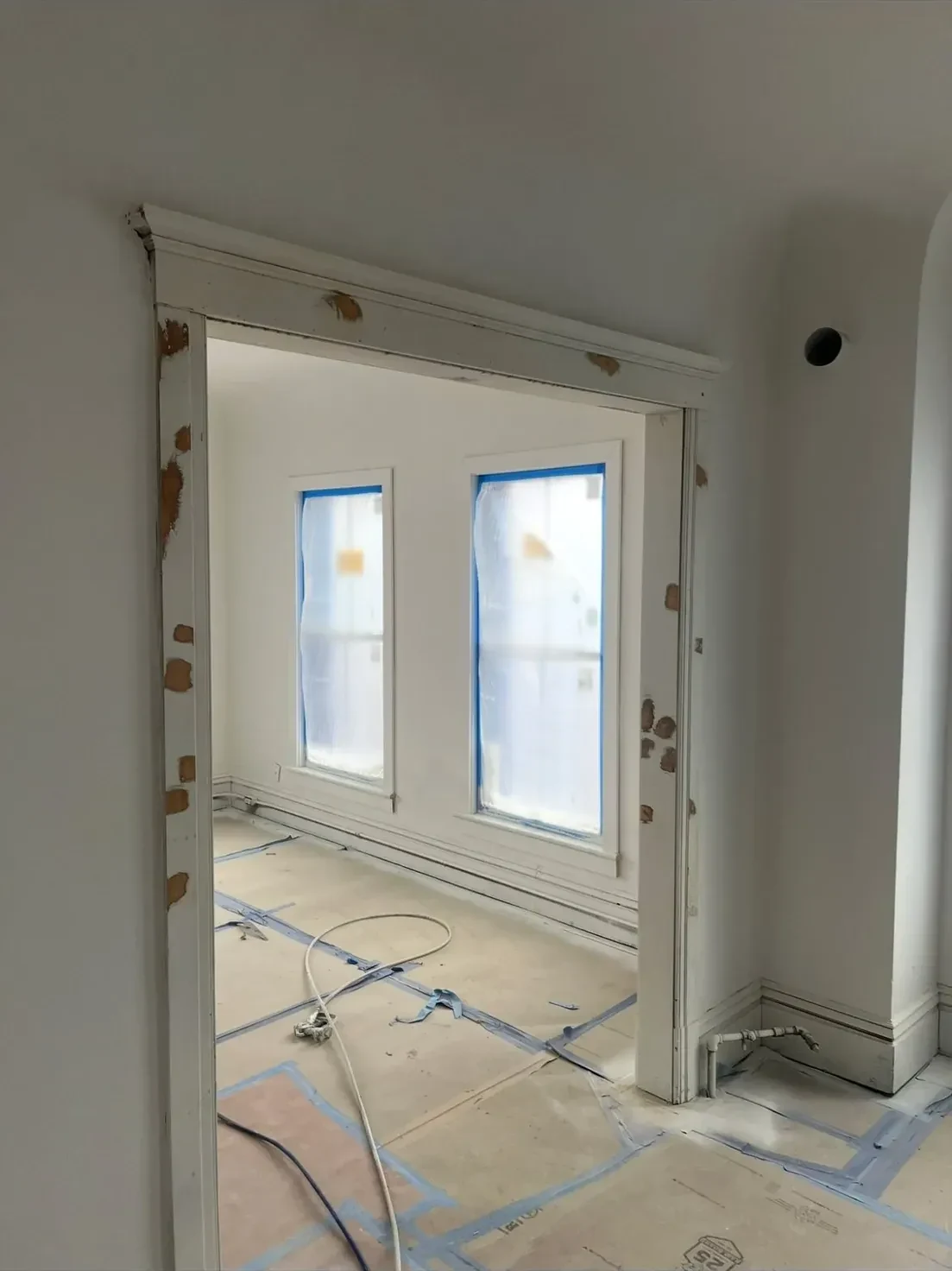
Twin Cities room mid-repair with patched trim and masked windows before repainting

Our Process

How a drywall repair gets done right

  1. 01

    Find the cause first

    Before any compound goes on, we figure out what caused it. A settling crack, a water-damaged patch, nail pops, or plain impact damage each get a different fix. Patching without knowing the cause is how a crack reopens next spring and a stain bleeds back through fresh paint.

  2. 02

    Patch, tape, and feather

    Holes get backed and patched, cracks get re-taped so they don't telegraph through, nail pops get reset and covered. Joint compound is feathered wide, eight to twelve inches past the repair, then sanded flat so there's no ridge waiting to catch raking light.

  3. 03

    Match texture, then repaint

    We match the existing texture, knockdown, orange-peel, or smooth, then prime the patch, blocking any water stain with a stain-blocking primer, and repaint so the sheen and color blend into the wall instead of flashing as a fresh square.

What drywall repair covers

01

Drywall Hole Patch

Doorknob dents, a foot through the wall, a TV mount that came down, a doorway where an old cabinet was removed. A hole gets backed, patched, feathered, textured to match, and repainted so you can't find where it was. This is the job most people mean when they search for a drywall hole patch.

02

Water-Damaged Drywall and Ceilings

A brown ring on the ceiling means water found its way in. Once the leak is resolved, the stain still has to be sealed. Paint alone won't cover it, the stain bleeds straight back through within days. We block it with a stain-blocking primer first, then patch and repaint so it stays gone.

03

Settling Cracks

Hairline cracks over doorways and windows are usually the house settling with the seasons. Filling them alone doesn't hold, they reopen. We re-tape the joint so the repair moves with the wall instead of splitting again the next freeze-thaw cycle.

04

Nail Pops

Those little round pops where the screw or nail head backed out of the stud are a Twin Cities winter classic, driven by wood framing drying out in furnace-heated air. We reset the fastener, cover it, and repaint so the wall reads flat again.

05

Spackle vs. Joint Compound

Spackle handles tiny nail holes and dings. Anything bigger, a real hole, a crack, a seam, needs joint compound, tape, and feathering, not spackle. Knowing which repair a spot actually calls for is half of why the finished wall looks right.

06

Texture Matching

A smooth patch in a textured wall is the most common giveaway of a DIY fix. We match knockdown and orange-peel texture to the surrounding wall so the repaired area reads as one continuous surface, not a patch someone dropped in.

Texture and Water Stains

How we match drywall texture and stop a water stain from bleeding back
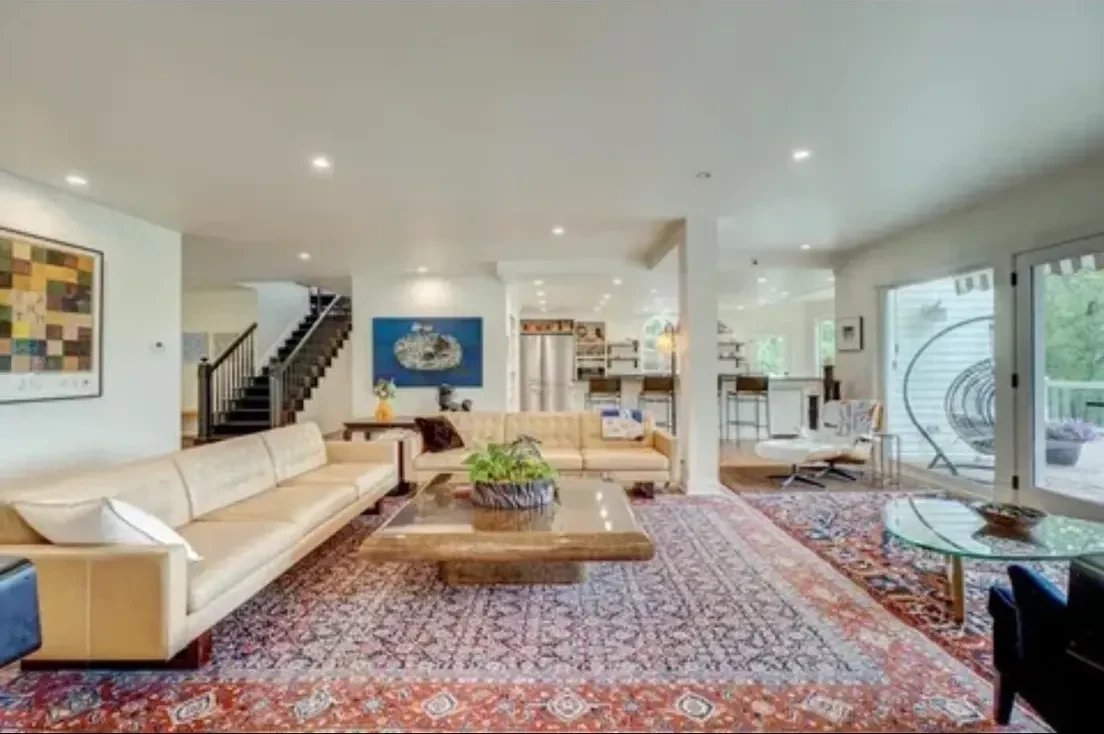
Finished Twin Cities living room with smooth, evenly painted walls and ceiling
A repaired wall should read as one continuous surface, not a patch
Matching wall texture is the step that separates a repair you can't find from a patch you'll notice every time you walk by. Most Twin Cities walls carry some texture, a light orange-peel or a heavier knockdown, and a dead-smooth patch inside that texture catches light differently and announces itself. We match the pattern with the same spray-and-knockdown or roll technique the original wall was finished with, feather it into the surrounding area, and let it cure before paint goes on. On the older plaster-and-lath walls common in 1920s and pre-war Twin Cities homes, the repair approach shifts again, plaster cracks and drywall cracks don't behave the same, and the fix has to match the substrate it's going into. Water stains are their own problem, and they're the one homeowners most often try to paint over and lose. A stain is a dissolved deposit sitting in the surface, and ordinary wall paint is water-based, so it reactivates the stain and lets it wick straight back through, usually within a day or two. The only thing that holds it back is a dedicated stain-blocking primer, shellac or oil-based, laid down before any color. Once the source of the water is actually resolved, which has to come first, we seal the stain, patch any softened drywall, texture to match, and repaint. For a stained ceiling specifically, that work often rolls into a full ceiling repaint so the repaired area and the rest of the ceiling read as one even surface instead of a sealed rectangle.

Start here

Not sure if it's a quick patch or something bigger?

Send a photo of the hole, crack, or stain and we'll tell you what the wall actually needs, and whether it's a quick patch or something with a cause worth chasing down first. Prefer to talk it through? Call (612) 558-9880.

(612) 558-9880

Or send it in writing

Three fields, thirty seconds

No obligation · Responds within 1 business day


By submitting this form you agree that we may contact you about your request and share your details with partner companies for marketing purposes.

What sets Krepela Painting apart on drywall repair

  1. 01

    Patch and repaint, one visit

    Colin does the repair and the repaint in the same visit. That's the only way the texture matches, the sheen matches, and the seam disappears, because the person who patched it is the person who finishes it.

  2. 02

    We fix the cause, not just the symptom

    A settling crack, a water stain, and a nail pop each have a different cause, and each needs a different fix to stay fixed. We read the cause before we close the wall up, not after it comes back.

  3. 03

    Honest about what you don't need

    Not every drywall problem is worth a service call. If your fix is one you can genuinely handle with a tube of spackle, we'll say so instead of quoting it. We'd rather you call us for the repairs that actually need a painter.

When You Don't Need Us

When a drywall repair is the wrong call

Some fixes are a Saturday with a putty knife. We'll tell you when yours is one.

One honest limit, because it's worth saying before you book anything: not every drywall repair needs us. If you've got a few small nail holes or a single doorknob ding, a tube of lightweight spackle, a putty knife, and ten minutes will handle it, and the wall color is close enough that you won't notice. That's not a service call, that's a Saturday. Where it's worth bringing in a painter is when the repair sits in a textured or highly visible wall, when there's a water stain that'll bleed back through, when a crack keeps reopening, or when you want the repaired area to vanish instead of just be filled. If you're not sure which side of that line you're on, send a photo and we'll tell you straight. Request a free estimate and we'll give you an honest read, even if the answer is that you don't need us yet.
Room mid-repair with patched trim and masked openings before repainting

Drywall repair questions we actually get asked

How do you patch a drywall hole so it doesn't show?
For anything bigger than a nail hole, the patch itself is only the start. A proper hole patch gets backed so the compound has something to grip, filled with joint compound, and then feathered eight to twelve inches past the edge so there's no ridge under angled light. The part that actually makes it disappear is what comes after: matching the surrounding wall texture, priming, and repainting wide enough that the new paint blends instead of flashing as a fresh square. A hole filled but not textured and repainted is still obvious, which is why we do the whole sequence in one visit.
How do you match drywall texture after a patch?
Most Twin Cities walls have a texture, usually a light orange-peel or a heavier knockdown, and a smooth patch inside that texture is the most common giveaway of a DIY repair. We match the pattern using the same technique the original wall was finished with, spraying and knocking down for knockdown, or a texture roll for orange-peel, then feather it into the surrounding area and let it cure before painting. Matching texture is as much about the repair disappearing as the paint is, which is why it's a step we never skip.
Can you just paint over a water-stained drywall patch?
No, and it's the mistake homeowners make most. A water stain is a dissolved deposit in the surface, and ordinary wall paint is water-based, so painting over it reactivates the stain and lets it wick straight back through, usually within a day or two. The stain has to be sealed with a dedicated stain-blocking primer, shellac or oil-based, before any color goes on. And the water source has to be resolved first, otherwise you're sealing a stain that's just going to come back wet. We check the cause, seal the stain, then patch and repaint.
Why do nail pops and settling cracks keep coming back?
Because filling them doesn't address why they happened. Nail pops are fasteners backing out of the framing as the wood dries and moves, common in the Twin Cities when furnace-heated winter air dries the framing out, so they have to be reset, not just covered. Settling cracks, usually over doorways and windows, are the house moving with the seasons and the freeze-thaw cycle, so the joint has to be re-taped to move with the wall instead of just filled, which reopens. Fix the mechanism and the repair holds. Fill it blind and you'll be back next season.
Do you repaint after the drywall repair?
Yes, and that's the whole reason to have a painter do the repair instead of a handyman. We patch, texture to match, and repaint in the same visit, so you never end up with a smooth patch in a textured wall or a fresh paint square sitting in a different sheen. Depending on the wall, that can mean repainting the full wall corner to corner so there's no visible blend line, we'll tell you at the estimate which approach the wall needs so no blend line shows.
What's the difference between spackle and joint compound for drywall repair?
Spackle is for small stuff, nail holes, tiny dings, minor dents, where it dries fast and sands smooth. Joint compound, often called mud, is for real repairs: holes, cracks, seams, and anything that needs tape to hold. Using spackle where joint compound belongs is how a repair cracks or shrinks back later. Knowing which a given spot actually calls for is part of why the finished wall looks right, and for a lot of small jobs the honest answer is that a tube of spackle and ten minutes is all you need.

Drywall repair across the Twin Cities metro

Proudly serving the Twin Cities Metro area. Happy to travel beyond that too, depending on the job, just ask!

Get a drywall repair that disappears, not just gets filled

Colin Krepela repairs and repaints drywall across the Twin Cities metro, and he's the one doing both halves of the job.

Related

Call Free estimate